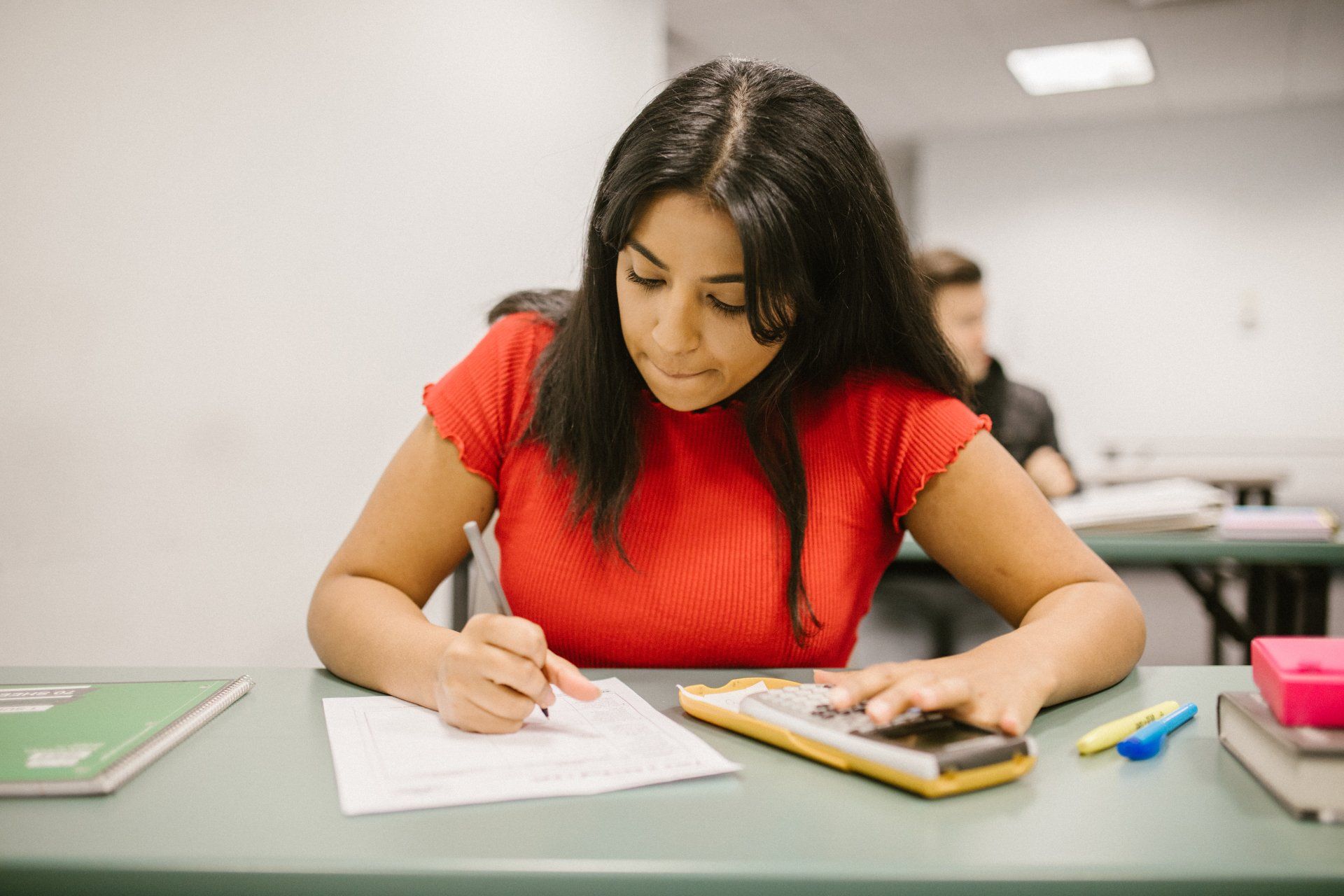
Grade 4 often comes with excitement — but also tears, frustration, and a noticeable drop in confidence.
The transition from grade 3 to grade 4

The move from Grade 3 to Grade 4 brings many changes, both academically and emotionally. Children are suddenly expected to work more independently, manage heavier workloads, and cope with more complex language and concepts.
For many 9–10-year-olds, this increase in expectations can feel overwhelming. As anxiety builds, it often shows up in their behaviour — both at school and at home.
Big emotions, avoidance of homework, and the familiar “I can’t” attitude are common during this transition year. These responses don’t mean your child is failing; they are often signs that your child is still adjusting.
So how can you, as a parent, help make this transition a little easier?
You can support your child by:
- Helping them create a simple, consistent homework routine
- Breaking tasks down into smaller, manageable steps
- Asking guiding questions instead of giving answers
- Being a calm, safe space to land when the day has felt hard
When should you consider extra support?
While adjustment takes time, it’s important to trust your instincts. Extra support may be helpful if your child:
- Continues to feel highly anxious or overwhelmed after the first few months
- Regularly avoids schoolwork or shows strong emotional reactions to homework
- Experiences a significant drop in confidence or motivation
- Becomes increasingly withdrawn, tearful, or irritable
Seeking support does not mean something is “wrong.” It simply means your child may need a little extra scaffolding while they adjust to new demands. Early support can ease stress, rebuild confidence, and prevent small challenges from becoming bigger ones.
Grade 4 is a year of growth. With patience, structure, and the right support, children do adjust — and confidence does return.
TM Counselling Blog