Divorce Is More Than a Decision
Nikki Russell • September 20, 2026
What Happens Next for You and Your Children?
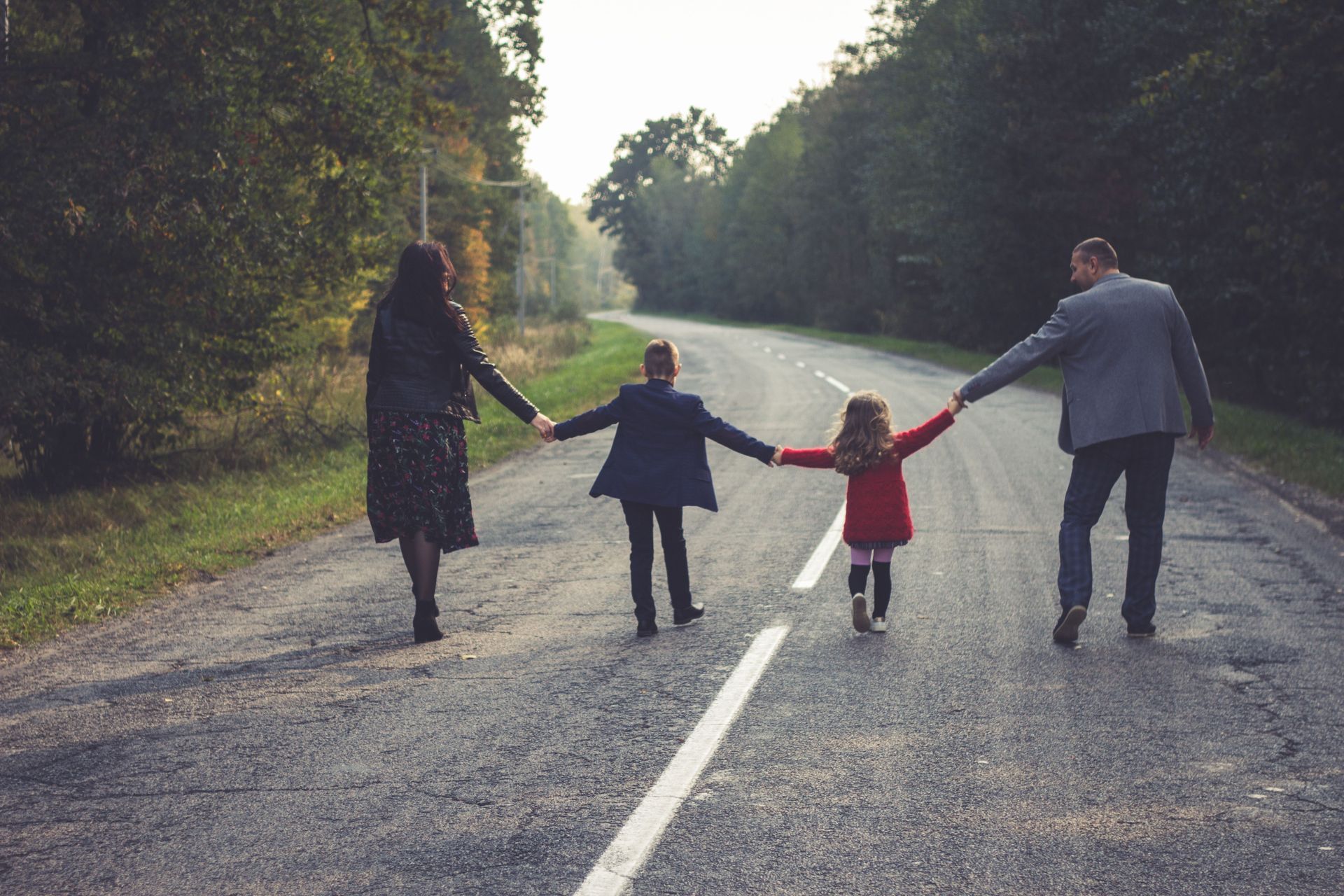
If you are considering separation or divorce, your attention may understandably be focused on the decision itself. You may be thinking about where you will live, how finances will be managed, what the legal process involves and how your life is going to change.
For your children, however, divorce is rarely experienced as one decision or conversation. It is experienced through what follows: being told, realising that one parent no longer lives at home, moving between households and adjusting to new routines.
You are also not simply making a decision. You are entering a transition of your own, often while trying to guide your children through theirs.
Divorce does not automatically harm your children
Many children adjust well following their parents’ separation. Divorce does not automatically mean that your children will experience lasting emotional difficulties, but it remains a significant change in their world.
They are affected not only by the decision, but also by the uncertainty, changes in routine, level of conflict and ways in which the adults communicate.
Your children can be loved and well cared for while still feeling sad, angry, confused or worried. Supporting them does not mean preventing every difficult emotion. It means giving those emotions somewhere safe to exist.
Your children may seem fine and still be processing
Every child responds differently. Your children may ask questions, become angry or clingy, withdraw, or carry on as usual.
If they seem fine, they may genuinely be coping well. They may also be trying not to add to your stress or still making sense of what the change means.
Children do not always express distress by crying. Their feelings may appear through irritability, sleep changes, physical complaints, difficulty concentrating or becoming unusually quiet.
These experiences can remain hidden unless children have space in which they feel free to explore them.
The first conversation is only the beginning
You may have thought carefully about how you will tell your children. That conversation is important, but it is only one part of the transition.
They may be wondering:
- Where will I live?
- When will I see each parent?
- Will I remain at the same school?
- Will my parents get back together?
- Did I cause this?
Some questions will be asked directly. Others may remain unspoken.
You may not yet have every answer. Telling your children about the divorce is not the end of the conversation; it begins an ongoing process of helping them understand and adjust.
One parent moving out may feel like a practical arrangement between adults, but for your children it can be the moment when the divorce becomes real. What will that first night feel like? Will they know when they will see the other parent again? Which parts of their routine will remain familiar?
Your children’s ages, your circumstances, the level of conflict and their relationships with each parent will shape what they need.
You are going through this too
While you are trying to support your children, you may also be grieving the loss of your relationship, home, routine or the future you had imagined.
You may experience sadness, anger, fear, guilt or relief—sometimes all within a short period. Even when you initiated the separation or know that it is the right decision, the process can still be emotionally demanding.
When you are overwhelmed, it may be harder to think clearly, communicate calmly or remain emotionally available. This does not mean that you are failing as a parent. It means that you are trying to parent through a significant loss and transition of your own.
Your children do not need you to hide every emotion. Seeing that adults can experience difficult feelings and move through them can be valuable. However, there is a difference between allowing children to see that you are sad and making them responsible for comforting you.
Having your own space to process what is happening can help prevent your children from becoming the place where your anger, hurt or fear is carried.
Supporting yourself is therefore not separate from supporting your children. The two are closely connected.
Your parenting relationship continues
Your relationship as a couple may be ending, but the need to communicate about your children continues. School, health, routines, holidays and emotional wellbeing will still need to be managed while you are carrying your own emotions.
Without a workable way of communicating, your children can become the connection between two households. They may be asked to carry messages, explain what happened at the other home or manage information that should remain between adults.
This can leave them feeling responsible for keeping the peace.
An important question to consider is: how will your children experience the relationship between you and the other parent after the separation?
Support does not have to begin with a crisis
You may only consider counselling if one of your children begins refusing school, withdrawing, becoming aggressive or experiencing significant anxiety. These are important reasons to seek support, but they are not the only reasons it may be valuable.
Support may give you space to process your own experience while considering upcoming conversations, living arrangements and changes in the parenting relationship. It may give your child or teenager a confidential space of their own from the beginning. Your family may find value in both.
Your children do not have to be falling apart to benefit from somewhere neutral to process a major change. You also do not have to wait until you feel completely overwhelmed or communication has broken down before finding support for yourself.
Support looks different for every family. Its purpose is not to tell you exactly what to do or how you should feel. It can offer space for thoughts, feelings and questions that may be difficult to explore while you are managing the emotional and practical reality of divorce.
Thinking beyond the decision
The decision to divorce may end your marriage, but it begins a new stage in your family’s life.
What might your children be afraid to ask? How will disagreements be managed without placing them in the middle? Where will they be able to process what has happened—and where will you?
Sometimes support begins because a child is visibly struggling. Sometimes it begins because you want to approach the transition thoughtfully. Sometimes it begins because you recognise that you need somewhere to make sense of your own experience.
Divorce changes the shape of your family. It does not mean that you or your children have to navigate that change alone.
TM Counselling Blog
This was the question we explored during my recent interview on SABC 2, Eintlek Let's Connect, and it's one that comes up surprisingly often in the counselling room.
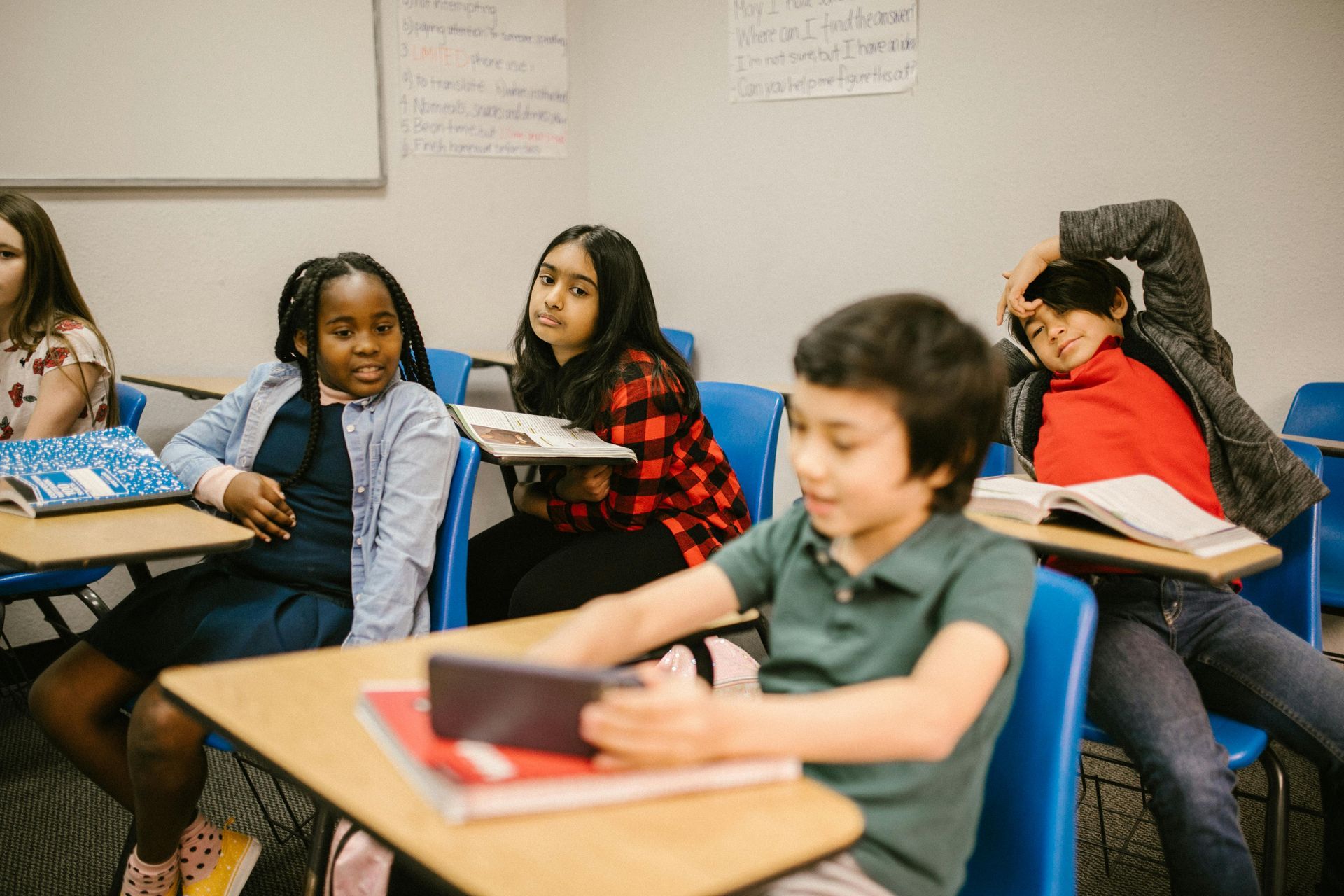
Help your child adjust to Grade 4 with support for anxiety & confidence. Contact us for effective strategies today!

Relationships are an essential part of our lives, and like any other aspect, they require care, attention, and sometimes, professional guidance. Couples Counselling, also known as marriage counselling or relationship therapy, is a valuable resource that can help couples navigate through challenges, enhance their communication, and foster a deeper emotional connection.